🧭 Guides
Sublet vs. Extended-Stay Hotel: Which Is Better for a 1 to 6 Month Stay?
By The Sublet team · Sep 8, 2026 · 6 min read
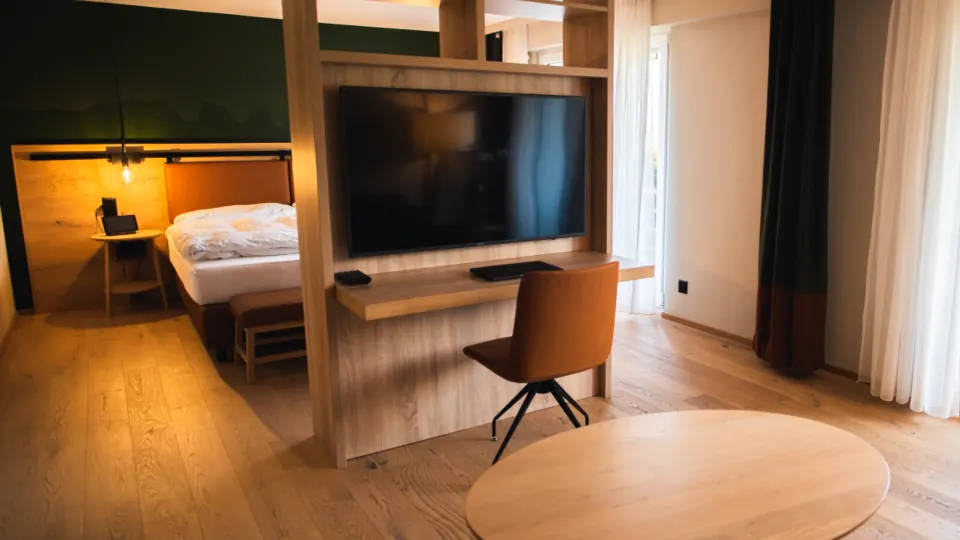
When you need somewhere to live for a month or three, two options usually rise to the top: a sublet (or other furnished short-term rental) and an extended-stay hotel. Both give you a furnished place to sleep without a long lease. Beyond that, they are quite different experiences, and the better choice depends on how long you are staying, how much flexibility you need, and what you value day to day.
Here is an honest comparison to help you decide.
What each option actually is
A sublet
A sublet is when a tenant rents out their apartment or room to you for part of their lease, usually while they are away. You live in a real home: their furniture, their kitchen, their neighborhood. Other furnished short-term rentals, rented directly from an owner, work similarly. Arrangements typically run from one month to a year.
An extended-stay hotel
Extended-stay hotels are designed for guests staying a week or longer. Rooms are usually studio or suite style, often with a kitchenette, and many have on-site laundry. You check in at a front desk, and housekeeping may come weekly or on request depending on the property.
The side-by-side comparison
| Sublet | Extended-stay hotel | |
|---|---|---|
| Typical stay | 1 to 12 months | A week to a few months |
| Space | A full apartment or private room in one | Usually a studio or suite |
| Kitchen | Usually a full kitchen | Often a kitchenette |
| Booking | Arranged with the host; agreement and deposit | Book online or by phone, pay by card |
| Flexibility | Set dates; early exit depends on agreement | Often easy to extend or shorten, subject to policy |
| Housekeeping | You clean | Often included at some frequency |
| Front desk and support | The host | Staff on site |
| Neighborhood feel | You live among residents | Often near highways, offices, or airports |
| Taxes | Depends on local rules and stay length | Hotel taxes may apply; some places exempt longer stays |
Cost: it depends on the length of your stay
Prices vary so much by city and season that any single number would be misleading. But a few patterns are worth knowing.
- Short stays favor hotels. For a week or two, a hotel is often simpler and may be competitive on price, since sublets are rarely available for such short periods.
- Longer stays often favor sublets. Hotels usually price by the night or week, even with extended-stay discounts. A sublet priced by the month, particularly a room in a shared apartment, can come out cheaper over one to three months or more.
- Add the hidden costs. With a hotel, eating out more often (because a kitchenette is limited) and paying for parking can add up. With a sublet, you may pay utilities, a cleaning fee, or need to buy a few basics.
The best way to know is to compare real numbers for your dates. Our comparison tool lets you put options side by side, and the cost calculator helps you account for utilities, parking, and one-time fees so you compare true monthly totals.
Flexibility
This is where hotels shine. If you do not know exactly when your assignment ends, you can often extend or check out early with limited notice, subject to the hotel's policy. That matters for people whose plans are genuinely uncertain: a work project with a moving deadline, a medical situation, or a home closing that keeps slipping.
Sublets are usually tied to specific dates, because the host has their own plans. Many hosts are open to discussing extensions or early exits, but it needs to be agreed in your sublease. If flexibility is important to you, say so up front and look for hosts who list flexible dates. Our list of questions to ask before subletting includes the early-exit and extension questions to raise.
Space and comfort
Living in one room for two months is different from staying in it for two nights. Many people find that by week three, a hotel room starts to feel small. A sublet usually gives you more space, a real kitchen, a couch that is not also next to your bed, and often a desk. If you work remotely, that difference can matter a lot.
A sublet also feels more like home. You shop at the local grocery store, learn the neighborhood, and live alongside residents. For people relocating for work, this is a big plus, because it helps you figure out where you want to live long term.
Amenities and services
Hotels often offer things a sublet will not: a front desk, housekeeping, an on-site gym, sometimes breakfast, and someone to call at 2 a.m. if the heat stops working. For some guests, especially those working long shifts, that predictability is worth paying for.
Sublets vary by building. Some have gyms, pools, rooftop decks, or in-unit laundry. Others are a walk-up with a laundromat down the street. Read listings carefully and ask questions.
Privacy and independence
Both can be private. A whole-apartment sublet gives you complete privacy, while a room in a shared apartment means roommates. Hotels offer privacy within your room, but you share hallways, elevators, and common areas with other guests. If you are sharing an apartment, our guide to roommate sublet etiquette will help.
Safety and trust
A hotel is a known business with staff and established booking systems. A sublet involves an individual, so you need to take a few precautions: verify the host can rent the space, see it in person or on a live video tour, use a written agreement, and never pay by wire or gift card before verifying. Our safety page and guide to avoiding rental scams cover the steps.
On The Sublet, free listings are reviewed before publishing, and contact goes through a relay form so your email address is not exposed. Hosts with paid listings display a "Verified host" badge, meaning they paid by card and verified their email. That is helpful, but not a substitute for your own checks.
Who should choose which
A sublet is often better if you:
- Are staying a month or longer with fairly fixed dates
- Want a full kitchen and more space
- Work from home and need a real workspace
- Want to live in a residential neighborhood
- Are on a tighter budget for a longer stay
An extended-stay hotel is often better if you:
- Need a week or two, or have very uncertain dates
- Want housekeeping and on-site staff
- Need to book quickly with minimal paperwork
- Have an employer that pays a hotel directly or requires a hotel booking
A hybrid strategy
You do not have to pick just one. A common approach is to book a hotel for the first week or two while you look for a sublet in person. That way you can tour places, meet hosts, and get a feel for neighborhoods before committing. It is particularly useful for travel nurses and interns arriving in a new city.
Bottom line
For short or unpredictable stays, an extended-stay hotel offers simplicity and flexibility. For a month or more, a sublet usually gives you more space, a more home-like experience, and often a better price. Run the numbers for your own dates with the compare tool, then browse sublets in your city to see what is available.
Frequently asked questions
Is a sublet cheaper than an extended-stay hotel?
For stays of a month or more, a sublet is often cheaper, especially a room in a shared apartment. For a week or two, a hotel may be competitive. Compare real prices for your dates.
Which is more flexible, a sublet or a hotel?
Hotels are usually more flexible about extending or leaving early. Sublets are tied to dates in your agreement, though many hosts will discuss changes.
Do extended-stay hotels have kitchens?
Many have kitchenettes with a small stove or cooktop, a microwave and a fridge. A sublet usually has a full kitchen.
Can I stay in a hotel while I look for a sublet?
Yes. Booking a hotel for the first week or two lets you tour sublets in person before committing, which is a common and safe approach.
Do hotel taxes apply to long stays?
It depends on the location. Some places exempt stays beyond a certain length from hotel taxes. Check local rules or ask the hotel.
This article is general information, not legal, tax or financial advice. Rules vary by state, city and lease — check yours.