🧭 Guides
Furnished vs. Unfurnished Short-Term Rentals: Which Is Right for You?
By The Sublet team · Jun 23, 2026 · 7 min read

When you need a place for a few months, one of the first decisions is whether to look for a furnished rental or an unfurnished one. On paper, unfurnished places usually look cheaper. In practice, the math often flips once you add up furniture, moving costs, and the time it takes to set up a home you will only live in briefly.
This guide walks through the real tradeoffs, what "furnished" tends to mean, and a simple way to decide for your situation.
The short answer
For stays of roughly one to six months, furnished almost always makes more sense. For stays of a year or more, especially if you already own furniture, unfurnished often wins. The gray zone is six to twelve months, where the answer depends on what you already own, how far you are moving, and how much you value convenience.
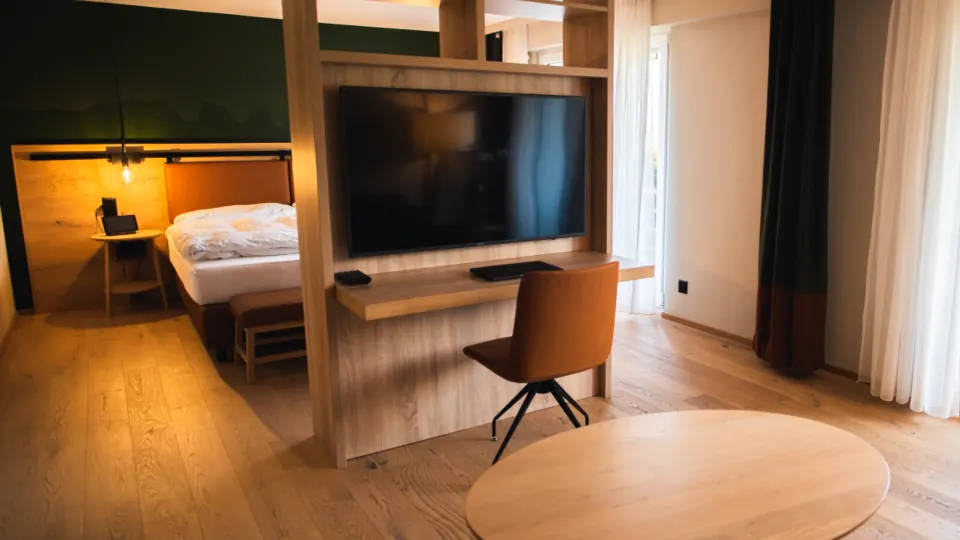
What "furnished" usually includes
There is no legal or industry standard definition of "furnished," so listings vary a lot. That is the single biggest source of disappointment. Here is a rough breakdown of what you might see.
Basic furnished
- Bed frame and mattress
- Sofa or seating
- Dining table and chairs
- Dresser or some clothing storage
- Major appliances that came with the unit (fridge, stove)
Fully furnished
Everything above, plus:
- Kitchen basics: pots, pans, dishes, glasses, utensils, a kettle or coffee maker
- Bedding, pillows, and towels
- Lamps, curtains or blinds, and a mirror
- Desk and chair
- Vacuum, iron, and cleaning basics
- Often Wi-Fi already set up, sometimes a TV
"Move-in ready" or "bring your suitcase"
Some hosts, particularly those who regularly rent to travel nurses or corporate guests, go further: toiletries for the first night, a stocked spice rack, hangers in the closet, and a printed guide to the neighborhood. This is great when you find it, but do not assume it.
The fix is to ask. Before committing, request a list or photos of what is included, and ask specifically about linens, kitchenware, and workspace. If you work from home, a real desk and a decent chair matter more than almost anything else on the list.
Comparing the costs honestly
Furnished rentals typically cost more per month than comparable unfurnished ones. How much more depends heavily on the city, the season, and the length of stay, so treat any rule of thumb with caution. The real question is not "which rent is lower?" but "which total cost is lower for my stay?"
Here is what to add to the unfurnished side of the ledger:
| Cost | Furnished | Unfurnished |
|---|---|---|
| Monthly rent | Usually higher | Usually lower |
| Furniture | Included | Buy, rent, or move your own |
| Kitchen and linens | Often included | Buy or bring |
| Moving truck or movers | Rarely needed | Often needed |
| Utility and internet setup | Often already in place | Usually your job |
| Disposal at the end | None | Sell, store, donate, or move again |
| Lease length | Often flexible | Often 12 months |
Do the math with your own numbers. If you would spend a meaningful amount on a bed, couch, table, and kitchen gear, then lose much of that value when you sell it a few months later, the furnished premium can easily pay for itself. Our cost calculator lets you plug in rent, utilities, and one-time costs to see the true monthly figure side by side.
Do not forget your time
Setting up an unfurnished place takes real hours: shopping, waiting for deliveries, assembling furniture, and arranging internet installation. If you are starting a new job, beginning clinical shifts, or arriving for a summer internship, those first weeks are exactly when you have the least time to spare.
When furnished is the better choice
- Your stay is under six months. Summer internships, a travel nurse contract, a semester away, or a short work project.
- You are moving far. Shipping furniture cross-country is expensive. Arriving with a couple of suitcases is not.
- You are testing a city. If you are not sure where you want to live long term, a furnished rental lets you explore neighborhoods before signing a lease. Our guide to temporary housing when relocating for work covers this strategy.
- Your belongings are in storage or another home. Many travel nurses keep a permanent residence and need a second, temporary one. See our travel nurse housing guide.
- You want flexibility. Furnished rentals tend to come with shorter, more flexible terms.
When unfurnished is the better choice
- You are staying a year or more. The furnished premium adds up over a long stay.
- You already own furniture you love. If you are moving it anyway, you might as well use it.
- You have specific needs. A particular mattress, accessibility equipment, a home office setup, or a large family that needs more beds than a typical furnished unit offers.
- You want to make it your own. Some people simply feel more at home with their own things around them.
The middle ground
You do not have to choose one extreme. A few hybrid approaches work well:
- Partially furnished. Some listings include large pieces like a bed and couch but expect you to bring kitchenware and linens. That is often the sweet spot for a three to six month stay.
- Furnished, plus a few personal items. Bring your own pillow, a favorite throw blanket, and a couple of photos. It makes a rental feel like yours without the cost of moving furniture.
- Ask the host to remove or add items. Some hosts will clear out a closet, add a desk, or store a piece of furniture you do not need. It never hurts to ask.
Questions to ask about a furnished listing
- Can you send a list or photos of everything included?
- Are bedding and towels provided, and how many sets?
- What is in the kitchen?
- Is there a desk and chair suitable for working?
- Will any of your belongings stay in the unit? How much closet and drawer space will be free?
- Who is responsible if a piece of furniture breaks through normal use?
- Is Wi-Fi set up, and what speed is it?
For a broader list of questions about utilities, deposits, and keys, see questions to ask before subletting.
A note for hosts
If you are listing your place, be specific about what is included. A clear inventory with photos sets expectations, reduces back-and-forth messages, and helps your listing stand out. Our guide to writing a sublet listing that rents has tips, and you can post a sublet for free on The Sublet.
Bottom line
For most short stays, furnished wins on total cost, time, and stress. For long stays with furniture you already own, unfurnished usually wins on price. Whatever you choose, ask exactly what is included and run the numbers before you commit. When you are ready, browse furnished sublets and use the packing checklist to plan what to bring.
Frequently asked questions
What does furnished usually mean for a rental?
There is no standard definition. It typically means a bed, seating, a table and storage, and often extends to kitchenware, linens and a desk. Always ask for a list or photos.
Is a furnished rental worth the higher rent?
For stays under about six months it often is, once you factor in the cost of buying or moving furniture, setup time and reselling items when you leave.
Do furnished rentals include utilities?
Many do, especially short-term ones, but not all. Ask which utilities and internet are included and whether there is a cap.
Can I ask a host to remove furniture?
You can ask. Some hosts will store items or clear closet space, but it depends on their storage options, so raise it before you sign.
What should I bring to a furnished rental?
Clothes, toiletries, a favorite pillow, chargers, and anything work-specific. Confirm whether linens and kitchenware are provided before packing them.
This article is general information, not legal, tax or financial advice. Rules vary by state, city and lease — check yours.